Virtual Reality 2.0: Immersive Gaming & Training Devices
Advanced technology has ushered in a new era of interactive experiences. Virtual Reality 2.0 is changing how we interact with digital worlds. It makes interactions feel more real and engaging.
VR Technology now includes motion tracking, haptic feedback, and AI-driven scenarios. This is changing the world of immersive gaming and training devices. It’s not just improving user experience but also creating new possibilities for realistic simulations.
The importance of Virtual Reality 2.0 is in its ability to offer more interactive and engaging experiences. It’s paving the way for a new generation of gaming and training applications.
The Evolution of Virtual Reality Technology
Virtual reality has come a long way from its early days to today’s VR 2.0. It has seen major technological leaps. Now, it changes how we interact with digital worlds.
From VR 1.0 to VR 2.0: Key Technological Breakthroughs
The move from VR 1.0 to VR 2.0 brought big changes in both hardware and software. New features like haptic feedback, eye-tracking, and AI were introduced. These advancements made VR experiences more real and interactive.
How VR 2.0 Transforms User Experience
VR 2.0 makes experiences more immersive and interactive. AI adds dynamic responses to user actions, making it more personal. Also, 5G connectivity makes VR interactions smoother and more reliable.
VR 2.0 is set to change many fields, from gaming to education. Its improved user experience and wider accessibility will boost its use in different industries.
Virtual Reality 2.0: Immersive Gaming & Training Devices Explained
The latest in Virtual Reality 2.0 has changed the game for immersive gaming and training. These new techs are not just small updates. They are a big step up, giving users more real, interactive, and fun experiences.
Leading VR Headsets and Their Capabilities
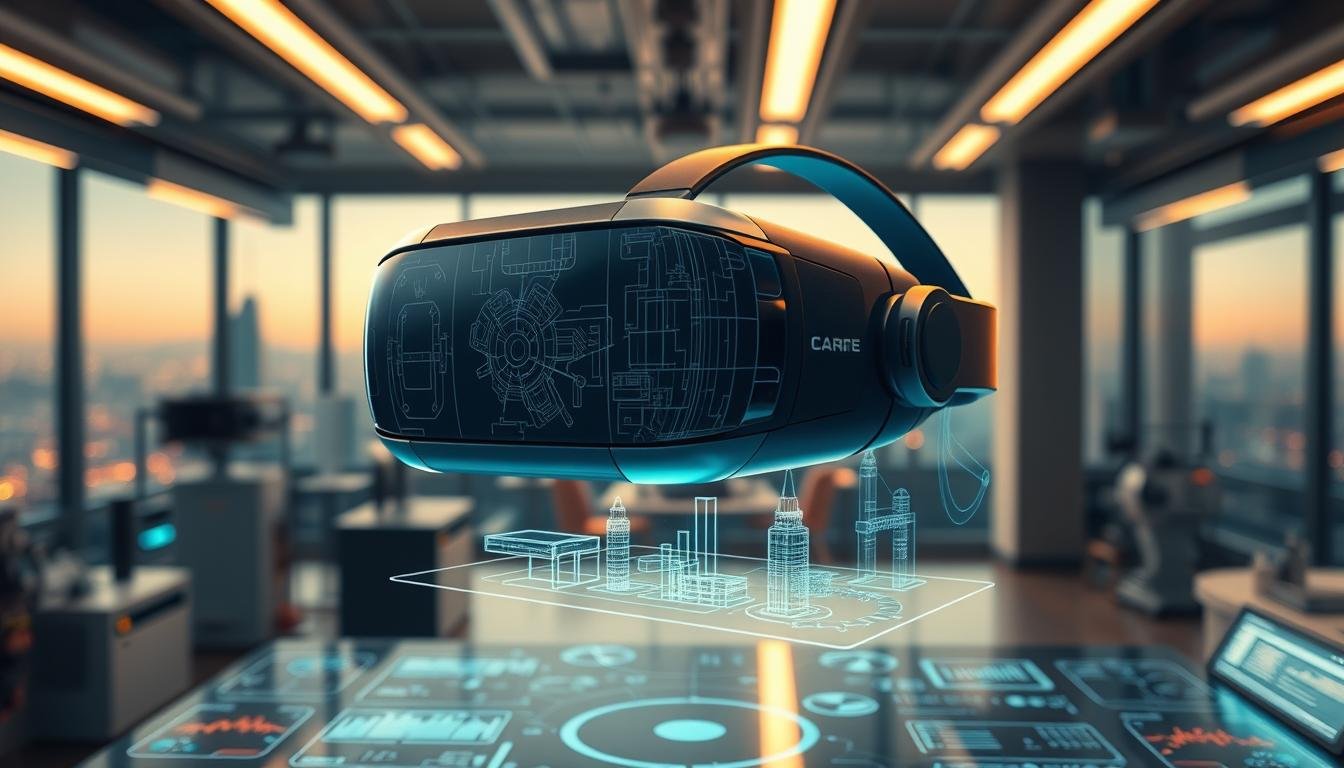
VR headsets like the Oculus Rift and HTC Vive Pro are leading the way. They have high-resolution displays, advanced tracking, and comfy designs. This makes them perfect for both fun games and serious training.
- High-resolution displays for clearer visuals
- Advanced tracking systems for precise movement detection
- Ergonomic designs for prolonged use
Haptic Feedback and Motion Tracking Systems
Haptic feedback and motion tracking are key for a full immersive experience. Haptic vests and motion controllers let users feel real sensations and interact naturally with virtual worlds.
Some key features include:
- Tactile feedback for enhanced realism
- Precise motion tracking for accurate interaction
Wireless and Standalone VR Solutions
Wireless and standalone VR solutions are making VR easier and more fun. Devices like the Oculus Quest give top-notch VR without needing a PC or sensors. This makes them super portable and easy to use.
Benefits of wireless and standalone VR include:
- Increased mobility and convenience
- Ease of setup and use
- High-quality VR experiences without compromise
Revolutionary Gaming Applications in VR 2.0
VR 2.0 is changing the game with its advanced tech. It offers gamers experiences that were once thought impossible.
Action and Adventure: Full-Body Immersion Games
VR 2.0 brings full-body immersion games to life. These games use haptic feedback and motion tracking. They give players a real feel of adventure.
Social VR: Multiplayer Experiences and Virtual Worlds
Social VR is a big part of VR 2.0. It lets players interact in virtual worlds. Multiplayer games are getting popular, where friends can team up and explore together.
Fitness and Sports: VR as Physical Activity
VR 2.0 is also good for fitness and sports. These games make players move, making exercise fun. VR 2.0 makes it feel less like a chore.
Case Study: Beat Saber and VR Fitness Revolution
Beat Saber is a key game in the VR fitness movement. It’s a rhythm game that gets players moving. Its success shows VR’s power in fitness.
In conclusion, VR 2.0 is changing the gaming world. It offers immersive experiences, social interactions, and fitness games. As VR tech grows, we’ll see even more exciting games.
VR 2.0 in Professional Training and Education
VR 2.0 is changing how we train and learn in many fields. It offers immersive experiences that make learning fun and real. This technology is being used in many areas to improve training.
Medical Training: Surgical Simulations and Anatomy Education
In medicine, VR 2.0 is used for surgeries and learning anatomy. It lets students and doctors practice without risk. This boosts their skills and confidence.
Industrial Applications: Maintenance and Operation Training
VR 2.0 helps in training for maintenance and operations in industries. It teaches on complex machines, lowering accident risks and boosting efficiency.
Military and Law Enforcement Scenario Training
VR 2.0 is used for training in the military and law enforcement. It simulates different scenarios, from combat to emergencies. This helps trainees make better decisions.
Case Study: Flight Simulation and Pilot Training
VR 2.0 is key in flight simulation and pilot training. It gives pilots real training without the dangers of actual flying. This is very effective.
The data shows VR 2.0’s success in flight simulation:
| Training Aspect | Traditional Method | VR 2.0 Method |
|---|---|---|
| Cost | High | Moderate |
| Risk | High | Low |
| Realism | Variable | High |
VR 2.0 is changing how we train and learn. It makes learning fun and real. As it gets better, we’ll see more uses in different fields.
Conclusion: The Future Landscape of Virtual Reality
The future of VR is very promising. Advances in AI and 5G are making experiences more real and interactive. VR 2.0 has already changed gaming, making it more immersive. It’s also making a big impact in training and education.
New trends in VR will make experiences even better. We can expect better haptic feedback, motion tracking, and wireless options. AI will help create more detailed simulations and personalized experiences.
VR technology will keep getting better, changing many parts of our lives. It will impact entertainment, education, and training. The future of VR is exciting, and we can’t wait to see what’s next.










Post Comment